FOR YARDS
Hormuz ceasefire is wobbling — UK yards shouldn't assume the scrap rally is over
9 April 2026 · 5 min read
The scrap market has been running on Middle East adrenaline since the end of February. The two-week US–Iran ceasefire announced on 7 April was supposed to be the release valve. It isn't holding the way the headlines suggested it would, and yards pricing off last week's softness are going to get caught out.
Here's the editorial line up front: the ceasefire is political, the closure is physical, and the two are not the same thing. Until tanker traffic through the Strait of Hormuz is actually moving at pre-war volumes — not a trickle of vetted vessels paying tolls to Tehran — the premium in non-ferrous scrap prices is not going anywhere. And if the ceasefire breaks, the floor drops out from under any yard that bought forward on the assumption it would.
What actually happened this week
The US and Iran agreed a two-week ceasefire window, conditional on Iran opening the strait to normal shipping. WTI for May delivery fell over 16% to settle at $94.41, the biggest one-day drop since April 2020, and Brent lost around 13%. That move got reported as the end of the crisis. It wasn't.
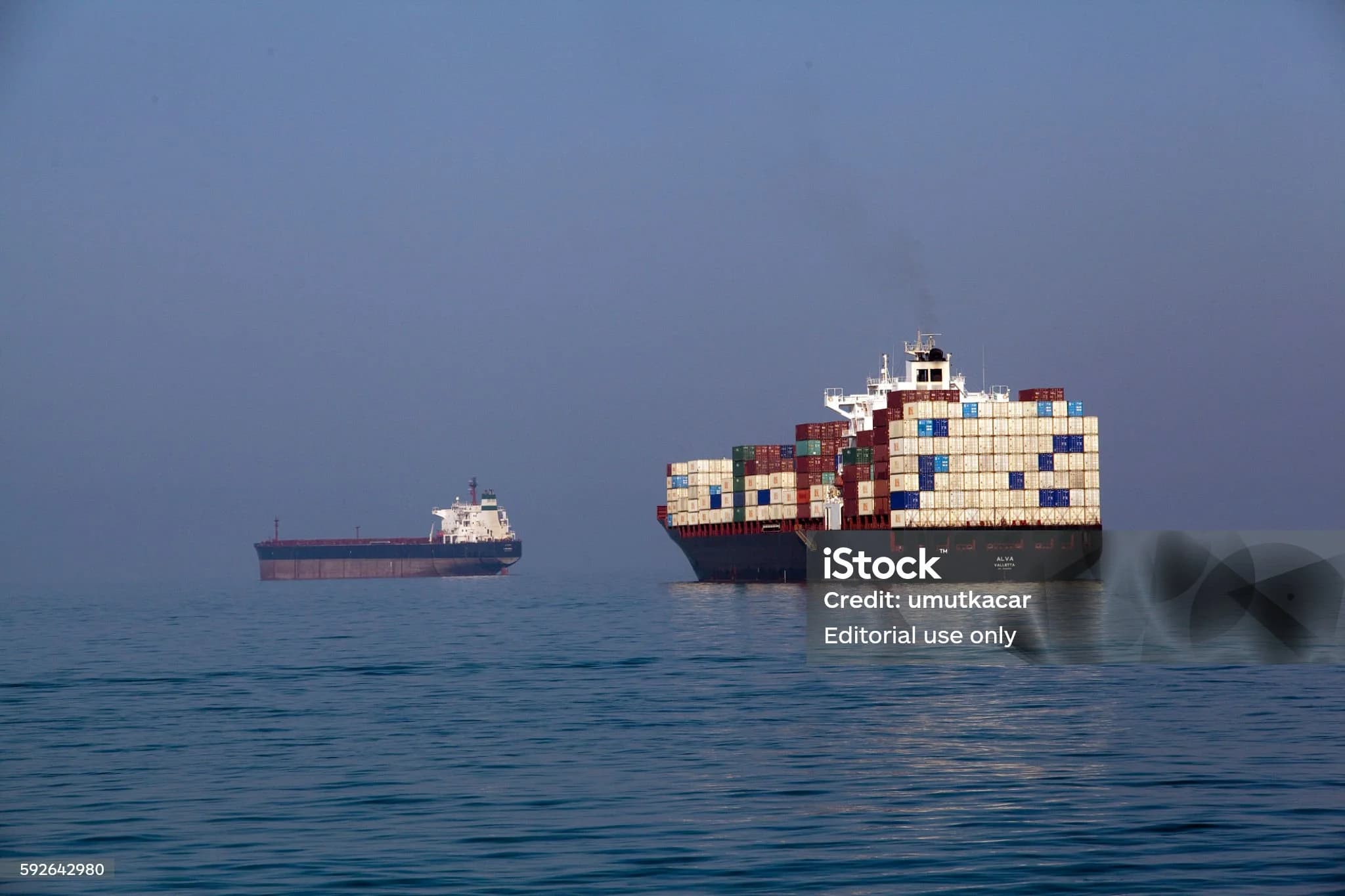
Tanker traffic hasn't recovered. Kpler data shows ship movements through the strait are still running at a handful of vessels a day, and Iran is vetting who passes through. On top of that, Tehran is reportedly planning to demand cryptocurrency tolls from shipowners for transit — which tells you exactly how confident the market should be that this is a return to normal.
Meanwhile, Israeli strikes on Lebanon have already put the ceasefire under strain within 48 hours of it being announced. If the shooting resumes, the oil market will retrace the move in a single session. The scrap market will follow within a week.
Why scrap is still bid
Three mechanisms are keeping a floor under UK yard prices even as LME copper drifts sideways on ample inventory:
Energy cost pass-through. Electric arc furnaces run on electricity, and the UK electricity price tracks gas, and gas tracks Brent. When Brent was at $126, mills were paying through the nose to turn scrap into billet. That cost has to come out of either the mill's margin or the scrap price — and mills have been pushing it down the chain as tight feedstock, not up as wider discounts.
Turkey deep-sea bids. The benchmark every European yard watches. The Argus CFR Turkey assessment for scrap was at $397.50 per tonne earlier this week, up from around $375 through January and February — a straight consequence of mills scrambling for feedstock after Gulf billet flows were cut off. If the strait re-closes, Turkish mills bid up ferrous scrap harder than anyone, because their alternative (Iranian and Asian billet) is physically unavailable.
Gulf mill shutdowns. UAE and Bahraini re-rollers that relied on imported HRC and billet have been announcing production cuts and force majeure notices since early March. Every tonne of flat product that isn't rolled in the Gulf is a tonne that has to come from somewhere else — and "somewhere else" increasingly means European EAFs running on European scrap.
None of that unwinds in two weeks. It unwinds when ships move and Gulf mills restart, and neither is happening yet.
The aluminium story is the sharpest
If you're buying mixed non-ferrous, pay particular attention to aluminium. The Middle East runs roughly 8–9% of global primary aluminium production and every tonne of it depends on alumina and bauxite coming in through Hormuz. Qatalum has halted. Alba has declared force majeure on export shipments. Aluminium prices hit a four-year high after strikes damaged Middle East smelters.
For UK yards, this is the clearest signal in the market. Extrusion, cast, and old sheet aluminium prices have been dragged up by the primary move. If your collection rates haven't adjusted yet, they're behind. See our aluminium prices page for the current national average and the For Yards aluminium commentary for grade-by-grade breakdowns.
What this means for your pricing desk
The temptation when a ceasefire is announced is to lower collection rates ahead of an LME pullback. That's the wrong play in this market, for three reasons.
First, the LME isn't the transmission mechanism this time — freight and feedstock are. Copper on the LME is actually soft: stockpiles are near six-year highs and Goldman Sachs has flagged downside risk if Hormuz stays closed because elevated energy costs would weigh on demand. You can't price UK scrap off a benchmark that's being pushed down by demand destruction while your physical demand from domestic mills is being pushed up by Gulf import loss. It's the same direction of travel, but the floors are different.
Second, your competitors are holding rates. Any yard that drops collection prices this week to capture a bit of margin is going to see tonnage walk across the road to the yard that didn't. In a market where feedstock is the constraint, tonnage discipline beats margin discipline every time.
Third, the downside scenario is self-correcting. If the ceasefire holds, ships move, Gulf mills restart, and prices normalise over four to six weeks — not overnight. You have time to adjust collection rates into the move. If it breaks, you want to already be buying at the current level, not chasing a gap-up spike with empty stockpiles.
What to actually watch
Three data points over the next fortnight, in order of importance:
- Daily tanker transit count through Hormuz. Kpler and MarineTraffic publish this. Pre-war baseline was 20–25 vessels per day. Anything under 10 means the closure is effectively still in force regardless of what the politicians are saying.
- Turkey CFR scrap assessments. If Argus prints sub-$390 for two consecutive weeks, the feedstock panic is genuinely easing. Until then, assume it isn't.
- Alba and Qatalum restart announcements. Force majeure notices get lifted when shipping normalises. No lift = no normalisation.
Ignore the oil price as a standalone signal. Brent is a political football right now and it's moving on rumours, not flows.
The bottom line
The ceasefire is a headline, not a market event. The closure is a market event that is still ongoing. Until the two converge — until ships are actually moving at volume — yards should be pricing off the physical reality, not the political one. That means holding collection rates, defending tonnage, and keeping a close eye on whether aluminium premiums widen further before they narrow.
We'll be tracking tanker transit data and Turkey scrap assessments in every edition of The Weekly Melt until this resolves. If you're not already subscribed, now is the week to fix that.
What's happening at your gate? Have collection volumes picked up, held, or dropped since the ceasefire was announced? Get in touch — we'd like to publish a composite picture next week.
Check Today's Prices
Copper
View prices →
Aluminium
View prices →
Steel
View prices →
Brass
View prices →
Lead
View prices →
Stainless Steel
View prices →
Read Next
FOR YARDS
Aluminium hits four-year high: the drivers, the risks, and how UK yards should play it
LME aluminium hit USD 3,678.50/t on 16 April, a four-year high. What is driving the rally, the risks ahead, and the UK yard playbook.
For Yards
VAT Domestic Reverse Charge: The Five Mistakes That Trigger HMRC Assessments
The five most common VAT domestic reverse charge mistakes at UK scrap yards, what they cost, how HMRC finds them, and how to fix them.
For Yards
The EAF Transition: What New Domestic Demand Means for Yards
The shift from blast furnace to Electric Arc Furnace steelmaking will nearly triple UK scrap demand by 2050. Here's what it means for yard operators and how to position for it.